Monday, March 20, 2017

Yoga & Culture 2017

A friend at Yoga for Today asked me to run a trip for her studio to Nepal, and 9 wonderful yogis joined me to Kathmandu in mid February. It is always nice to briefly walk about in shirtsleeves and practice yoga in some amazing places in +20C warmth while winter is still happening back home in Canada.
Yoga in the garden at Begnas Resort
A short day in Hong Kong allowed us to visit the Big Buddha and Po Lin Monastery on Lantau Island not far from the airport, then the evening flight to Kathmandu, where our Nepal adventure began!
Big Buddha on Lantau Island


The 'silent" boat ride to Begnas resort
Organic Coffee family
A quiet boat ride on Begnas lake took us to the Begnas Lake resort, in comfortable cabins, western washrooms, yoga in the garden and delicious meals including fish from the lake! An ayurvedic doctor and spa for massage and warm oil treatments was very welcome for all. We walked local villages, visited a school and enjoyed organic coffee at the Begnas Coffee place.


Breakfast at Pokhara Damside

We spent 3 nights in Kathmandu and then off to Pokhara (the second largest city in Nepal) where it is a bit warmer (+23C) days and more of a resort town. We visited the Tibetan refugee camp, the International Mountaineering museum, several schools and shopped the Lakeside streets of Pokhara.

Sunrise on the Annapurna's
An early rise (5am) and short drive up a ridge to Sarangkot to see the sunrise on the Annapurna's, allowed us to experience the start of another amazing day. It was a bit hazy, but we could see Annapurna South and Machhapuchhre (Fishtail).

A short 30 minute flight back to Kathmandu, and visits to Thamel shopping, a Nepali Culture show and visit to Patan, another royal square in the valley, and then final preparations to return home.

Boudhanath Stupa, Kathmandu - now rebuilt after EQ

Tuesday, March 8, 2016

Yoga & Culture tour 2016

Another successful Yoga and Culture tour to Nepal with two fine groups! We did our daily yoga practice in some unique locations and walked through the cities of Kathmandu and Pokhara as well as some villages to experience the Hindu and Buddhist cultures. The food was good and beer or wine at 4 or 5 every day was a great time to reflect upon our day's experiences!

Yoga in garden at Begnas Resort
The Nepal people are still suffering from Government inaction following last April's earthquake and very little rebuilding has taken place especially in the remote villages near the epicentre where homes and schools were devastated. My school in Nalang has not begun rebuilding due to lack of supplies like cement (which comes from India) and expertise - the men have had to leave to find work and earn a living. A 5 month long blockade at the border with India held back all kinds of needed supplies for everyone including food, medicines, building products, and in particular fuels.

Hindu Temples at Pashupatinath
Lack of LPG gas has meant that most people need to use wood to cook their meals creating an unhealthy atmosphere of smoke and haze all through the country! It is being rationed and sold at exorbitant prices by the mafia. Even vehicle fuels like diesel and petrol is rationed resulting in long lines of cars and trucks waiting for days to even secure a half tank at inflated prices. The Nepal government is doing nothing to alleviate this problem.


Due to all the above issues, tourism is down anywhere from 50 to 75% and a noticeable absence of tourists when we arrived February 2. One way we can support this country is by travelling there and this employs staff in hotels, shops and restaurants. Fortunately, we were not inconvenienced too much.


There is still power shedding with no power for many hours in the day. One must expect to shower by candlelight some days and go to bed and read by headlamp at night. In spite of all these issues, the people remain calm, stoic, smiling, happy with what they have and appreciative of our presence.

Yoga in Pagoda room, Vajra Hotel
The weather was warm during the days to +20C and the nights in early February were quite cold. The hotels do not have any central heating so we used electric heaters when the power was on! Later in February we had warmer nights, birds were returning to nest, flowers were blooming and it really felt like spring in the foothills of the Himalayas!

Some of these photos will give one an idea of what we experienced.


With students and Arjun in Begnas


Silent boat ride on Begnas Lake


Up early for sunrise on the Annapurna range

View from Sarankot northwest

Tashiling Monastery, Pokhara

Saturday, November 28, 2015

Return to Nepal post earthquake

A fine view of the Himalayas from Begnas

Returning to Kathmandu after a year's absence I had some idea of what I might see in terms of the April 25 earthquake damage and its affect on the people in the valley. Yes, there are some houses that fell down and some historic temples fell apart. The top of the Boudhanath Stupa was damaged so it was taken down leaving a bare top and stacks of brick ready for repairs.


However, for the most part large buildings and some the temples are still standing, perhaps supported by braces, a few pockets where loose brick buildings collapsed. Other than some minor damages here and there, the city appears fairly normal. However, things are not normal...


Boudhanath Stupa reconstruction


The real issues in Nepal right now are severe shortages due to a blockade at the Indian border by a minority Madhes group not happy with the new constitution. Fuel, food and medicines are in short supply deepening the hardship on the Nepali people. Winter is coming!


Long lines of people waiting for days for petrol and diesel for vehicles and motorbikes, waiting for half a tank of LPG gas for cooking. Now in the streets of Kathmandu and all rural areas Nepali's are using whatever available wood for cooking - scraps, tree branches and some wood distributed by some government agencies. This has caused a smoke haze all across Nepal. Flying above the haze, the Himalayas are visible, but not so at ground level.

Protest rally in Kathmandu
On Friday, November 20 I was drawn into a protest rally in Lazimpat, an area just north of central Kathmandu. This was similar to rallies across Nepal. The government is doing nothing to alleviate the blockade and is still, unbelievably, holding about 4 Billion US for reconstruction. Not a rupee has been put to use to help the people. Shameful. It has been NGO's from around the world that are acting and putting efforts into reconstruction in rural areas. The devastated Langtang valley has a well organized reconstruction committee to begin efforts to rebuild where they can and the trail has reopened for trekking. Most trekkers are safely camping as many lodges are still not repaired.

A few cracks in some old buildings and reinforcement
I just thought I would share my recent experience and hope that the blockade is removed soon with the help of the Indian government (currently NOT helping) and that reconstruction of damaged villages and homes can begin as soon as possible.


Feel free to email me if you need information on current conditions or need to connect with a travel agent or guides in Nepal. (nhaggard@telus.net)


Thursday, September 10, 2015

Nalang School update

It has been about 5 months since the earthquake in Nepal. Despite news reports of devastation in some remote areas and especially the Langtang village, all trekking areas are open with the exception of Langtang. Many homes in the hardest hit areas of Gorkha and Sindupalchok were flattened and of course, the schools also hard hit. Education is so important and this will be a generation who will always remember the big earthquake!

The Nalang school in Dhading district is about 20 km away in the next valley over from the epicenter close to Gorkha and was also damaged. Nearly all the homes in Nalang village were badly damaged and people now living in temporary shelters during monsoon, some only under tarps just surviving. As soon as the monsoons stop (usually by the end of September) more rebuilding of village homes and schools will take much of their focus this fall and winter.

In January and February this year we were adding 2 more rooms to the 5 built 3 years ago. As you will see, the new wing is also badly damaged and will require much work to ensure it is safe for use again.

There has been a temporary shelter for school, but not all children are able to be accommodated. The fund raising activities and donations from many of my friends, yogis, relatives and many others amounted to about $7500 of which half was used right after the earthquake for emergency food, shelter, medicines, etc. and support of MSF - Doctors without Borders.

I will be sending the other half in November when I return to Nepal with a group heading into Bhutan. These funds will be used to buy supplies like cement and wood frames, doors, etc to rebuild the Nalang school.

It is so important that we travel to Nepal now as food, water, hotels and transportation is safe. This is a way to support the local people as the Nepal government is doing very little outside of Kathmandu. Our porters, guides, taxis, hotel staff, restaurants, shops, etc. will all benefit from tourism coming back.

Currently tourism is down 50% to 90%. However, Nepal is recovering, many cultural sights are not damaged and it is still worth seeing these amazing World Heritage sights and experiencing the culture of Nepal. Please email me if you have any questions! And huge thanks to all who have donated to this school and help with its recovery!
Namaste, Neil


Temporary classroom


Lok and students at Nalang school grounds


Temporary shelter 

Thursday, May 7, 2015

Nepal Earthquake


As folks know there was a major earthquake in Nepal, April 25 which registered 7.9 on the Richter. The epicenter was in Gorka, about 100 kms west from Kathmandu however, it shook the whole valley through to Everest Base Camp. Apparently Kathmandu rose 1 meter in elevation! and Mt. Everest shrunk about 1cm. The last major earthquake was in 1934, and geologists were predicting another major shake up anytime. Some even said in March 2015! The Indian plate is subducting (pushing under) under the Eurasian plate which has been forming the Himalayas for eons.

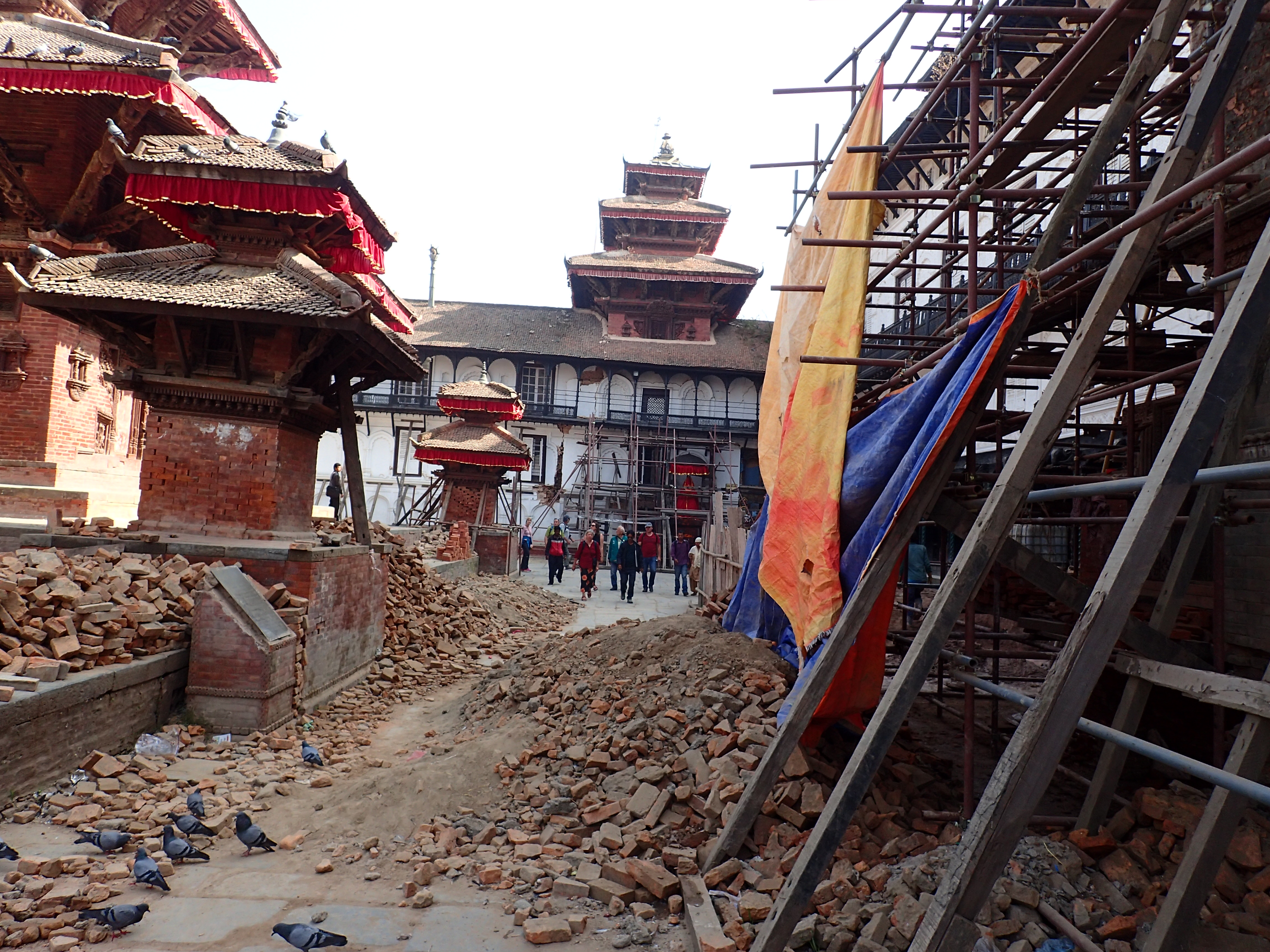
There were many injuries and deaths in the Kathmandu valley and it seems the newer buildings withstood the shocks and aftershocks fairly well. Homes that did not collapse were cracked or damaged in some way. The old cultural buildings took on the most damage. So it seems Kathmandu was NOT reduced to a pile of rubble. Some cracked roads, damaged buildings (mostly made of brick) and unfortunately injured people overwhelming the medical system for a week.

The real devastation was in the rural areas! Many villages for 100km west and about 50km east of Kathmandu were demolished. The rural areas are where the bulk of Nepal's population live in stacked stone houses that are held together by gravity, not so much from anything like mortar, rebar, etc. That is why when the ground shook, so many houses simply fell apart causing all kinds of injuries, deaths and damage to property.


The Nepali people WILL recover! They are already rebuilding, repairing and recovering with what they have left. Many have no money to buy better materials and will simply use or reuse what they have. Currently their needs in villages such as Ghorka, Nalang, Sindhupalchok - Lamjung, Dhading and Langtang districts.

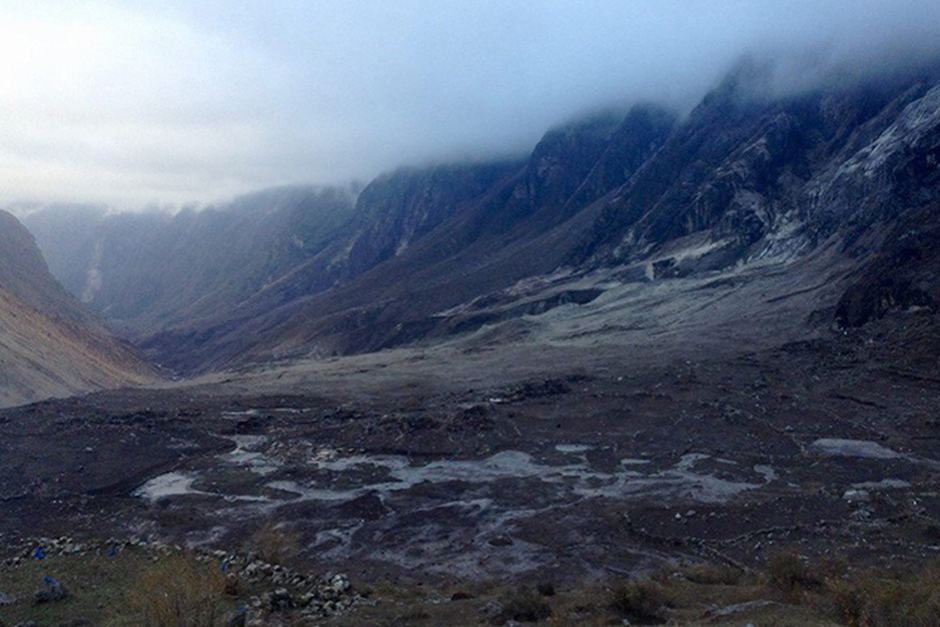
My beloved village of Langtang was almost totally obliterated by a rock, snow and ice avalanche that wiped out 50+ lodges and homes, and 400+ villagers. Such a tragedy there. My friend Jangbu, who just built the new Tibet Guest House (in which we have stayed with 2 trekking groups), we have found was up in a higher village of Kyanjin Gompa and is safe. His wife and children were in Kathmandu at the time and are safe. I lost some dear friends in this and I understand there are about 30 orphaned children as a result. See my photo from November 2014, and the day after the earthquake and landslide!

What is left of Langtang village...


What is looked like before the earthquake!


Durbar Square damage in Kathmandu


Sunday, December 14, 2014

Everest Base Camp Trek 2014


One of the most challenging and rewarding treks in the world is the Everest Base Camp trek in Nepal. It has been rated in the top 10 must do treks anywhere due to the altitudes, variety of terrain and views of the highest mountains on earth!

Mani (prayer) stones and prayer wheel

A group of 10 folks joined me at the Vajra Hotel near the Monkey Temple in Kathmandu. Seven of the 10 have returned multiple times to join me in trekking a new part of Nepal. Brave souls! We walked the Monkey temple and then on to Thamel and Himalayan Java for lattes - very civilized! That evening we weighed the trekking bags to ensure none over 15kg which is the limit for porters and for our baggage on the flight to Lukla. Apparently we were pretty close to the ideal group weight for the flight!


Lukla Airport

High bridge crossing Dudh Khosi
We got up at 4:30am, boarded a bus to the domestic airport and stood in line at 5:30am for the airport to open. The plan was to be on the first flight at 6am but these planes fly on VFR (visual flight regulations) so need a minimum of visibility in Kathmandu and Lukla to fly safely. Our wait was not much more than an hour and we arrived in Lukla (2840m) just before 8am landing on the scariest airstrip - uphill portion provides additional braking capability! We brought 2 porters with us on the flight, and as we were a group of 11, we had to hire 4 more in Lukla. All organized and loaded up, we headed out on the trail for the 2.5 hour hike, mostly downhill, to Phakding (2610m). As soon as the sun went down the cold chill descended upon us and gave us a sense of things to come!

Namche Bazar (3440m)

The next day we walked along the Dudh Kosi river and then the grinding climb of 800 meters to Namche Bazar. When in the sun, it was warm, however when a cloud came up or standing in the shade the breeze was cold and extra layers were brought out of our packs. Namche Bazar is a large collection of teahouses and lodges in a bowl at 3440 meters and requires an extra rest day to acclimatize to this altitude. There are outdoor gear shops, pharmacies, bookshops, souvenirs galore - almost anything you could want at this edge of civilization. Our rest day was spent at the local bakery and coffee shop resting and allowing our bodies to get used to the thin air and cold. Nights were bearable, but the dining room was not heated by a stove - only by numbers of other trekkers filling the room!


Ama Dablam (6856m)

It was exhilarating to head up the hill and along airy trails in the sunshine way above the valley below! Ama Dablam, my favorite mountain, came into view and our destination - Tengboche. We had a huge descent to the river and on up to Tengboche at 3860m. The sun was warm however upon arrival the afternoon convective cloud came in an we felt the cold chill again. Fortunately the dining room had stoves and we had a warm dinner with lots of milk tea before retiring to our cold rooms. The next morning our windows were frosted and outside temperatures were probably minus 8 C. Tengboche is the site of a major monastery, however there was a death in town and no puja's (ceremonies) were on. As we left at 8am the death march was happening behind us when the monks carried a body to a high ridge above town with ceremonial horns and cymbals catching our attention.

Chortan near Tengboche Monastery


Mt. Everest and Lhotse


As the days unfolded, we gained altitude, felt the cold nights more deeply, but enjoyed a few hours of warm sun every afternoon until the cloud came in. We enjoyed delicious pizza, soups and a variety of teas - masala tea, milk tea, black tea, lemon tea and ginger! Keeping well hydrated at altitude is a necessity. We arrived in Dingboche (4410m) and had a planned rest day to acclimatize. We were now experiencing 1/3 less oxygen as at sea level so most of us experienced breathlessness, sleep apnea, and due to the dry air a few colds and coughs. The nights were tough - cold rooms, up to pee several times in the night, faulty showers and confined to a sleeping bag for 10 hours or more! Sounds like no fun, but such are the challenges of this trek. The views got better and better. Our weather remained clear and cold. Frosty nights dipped to -10C and our water bottles froze in our rooms. Even the hoses on our hydration packs froze at times.


Afternoon cloud at sunset in Dingboche

Now we headed north into the Khumbu valley and followed the glacial moraines to overnight in Dughla (4620m), Lobuche (4910m) and eventually the last permanent settlement of Gorak Shep at 5140 meters! Here the air holds only about half the oxygen of sea level and we felt it. The rooms were cold, the days cold, the sun intense however the views were stunning!

Gorak Shep village, Kala Pattar and the big white peak of Pumori 


Mt. Everest is 3rd peak from left, hidden by Nuptse
EBC base camp was now just a pile of rocks as all climbing teams have left for the season. I suggested everyone walk up to the trekking peak of Kala Pattar (5545m) nearby to get their photos of Everest, the Khumbu region and overlook base camp. As you can see in the photos, the contrast of snow and glacier with the rocks and blue skies left an impression of greatness, stark beauty and feeling humbled, standing at the foot of the famous peaks of Pumori (7165m), Lingtren (6749m ), Mt. Everest (8848m) and Nuptse (7861m).


The Khumbu Icefall

Each one of us was counting the days and hours to get back to warmer temperatures and comfort at lower altitudes. I for one was looking forward to a chicken curry! Eating vegetarian is ok but I missed the variety. Protein in our diet comes from eggs, cheese and lentils, however for some it is not enough. I lost 4 kgs on this trek. The physical challenge, the cold and altitude illness proved too much for some and we heli evac'd 2 people out from Pheriche, where 2 volunteer doctors recommended evacuation to hospital in Kathmandu. Two days later, 3 more succumbed to illness, cold and GI issues and were evacuated by helicopter. They all recovered and were doing quite a bit better when the 6 of us that finished the trek returned to Kathmandu. We were relieved that they had improved, were healthier and enjoyed a few days to rest at the Hotel Tibet. We arranged a celebration dinner buffet at the Radisson Hotel enjoying fresh salads, vegetables, meat dishes, delicious desserts, drinks, etc.

In spite of the challenges, we had a unique experience and enjoyed everyone's company on this amazing trek.


Langtang Trek 2014

After a stopover in Hong Kong and visit to the Big Buddha, an enthusiastic group of 9 arrived in Kathmandu and spent the first 2 nights at the comfortable Nirvana Garden Hotel. We weighed the trekking bags, ate a good breakfast and boarded the bus for a 6 hour drive to Dhunche. The road winds its way over a big ridge west of the Kathmandu valley, across several rivers and after a dal bhat lunch (rice, lentils, curry veg & pickle) in Trisuli Bazaar, climbed up to 1920m and entered the Langtang National Park. We continued on to Syabru Besi as the road now is paved down to the river and to where we started our trek.

On a bright, sunny morning we headed to a check post, across the bridge over the Bhote Khosi river and east to the trails bordering the Langtang Khola (river). We made it the first 1000 meters elevation gain to Rimche the first day and stayed in a small tea house. The food was good and sleep most welcome.


The next day we gained another 1000m over 6 hours and arrived in Langtang Village mid afternoon and were greeted by Jangbu, the proprietor of Hotel Tibet Guesthouse, a newer teahouse I stayed in 3 years ago when it was first built. We had a rest day planned the next day so folks showered, did laundry and charged camera batteries. We took a walk to the Cheese factory and had tea with fresh bread with tomatoes and nak cheese (a yak is a male, nak is a female!) Delicious!


After the rest day, we hiked further up the valley to Kyanjin Gompa at 3870m. We had dal bhat at the Gompa Guesthouse with the familiar (to me) owner cooking up a nice lunch. The sun was intense and everyone feeling the altitude - slight headaches, fatigue, etc. After a visit to the 500 year old Gompa (temple) we headed back down the valley to another night at Langtang village.


By now everyone was getting into the routine of packing up the trekking bags before breakfast so the porters could lash them together and get on the trail. Breakfasts of oatmeal, or eggs and toast, pancakes, tea and coffee were consumed and we got on the trail by 8am each day. Back down the valley we stayed again in Rimche and the stars at night were amazing. We had lunch at Landslide and then a fork in the trail took us up to Thula Syabru, high on a ridge at 2250m. (Well, I am not immune to pitfalls of travel - I drank a Fanta on the way and resulted in a serious food poisoning :- (


We changed the itinerary a bit and the group went off to Sing Gompa at 3330m climbing over 1000m via Phoprang Danda. This was through farms, a beautiful forest and into warm sunshine. A few folks who wanted an additional challenge headed up to Laurebina Yak and the Gosainkunda lakes, while some stayed for a rest day in Sing Gompa. In evenings, we all learned to play Dumbal, a Nepali card game that was great fun. There was a cheese factory here too so we took advantage of it, buying cheese and taking boiled eggs and chapatis for our lunch on the hike out to Dhunche. Arriving in Dhunche brought our trekking to a close and we had a celebration beer with our guide and porters, gave them their tips and prepared ourselves for the 6 hour bus ride back to Kathmandu. Warm showers, good food and shopping were available to the group upon returning.


We took a day trip to Bhaktapur, an old walled city in the Kathmandu valley. There were 3 old kingdoms (Kathmandu, Patan and Bhaktapur) and they each have a royal square - Durbar Square. We also toured Pashupatinath, the holy Hindu temples on the banks of the Bagmati river and on to tour Bouddhanath, the Tibetan quarter, walking around the kora and having lunch on the rooftop cafe overlooking the largest Stupa in the world.


Well, as all things must come to a close, some folks flew to Hong Kong, some by car to Chitwan park, and some off to India or home. A great group, lots of laughs and with so much culture, mountain scenery and daily experiences, we will process this all in the months to come!  Everyone remained fairly healthy in spite of a few colds, coughs and sore muscles. Thanks to this amazing group for their support, curiosity and enthusiasm for trekking in Nepal.


!